
How I Choose Where to Go Next
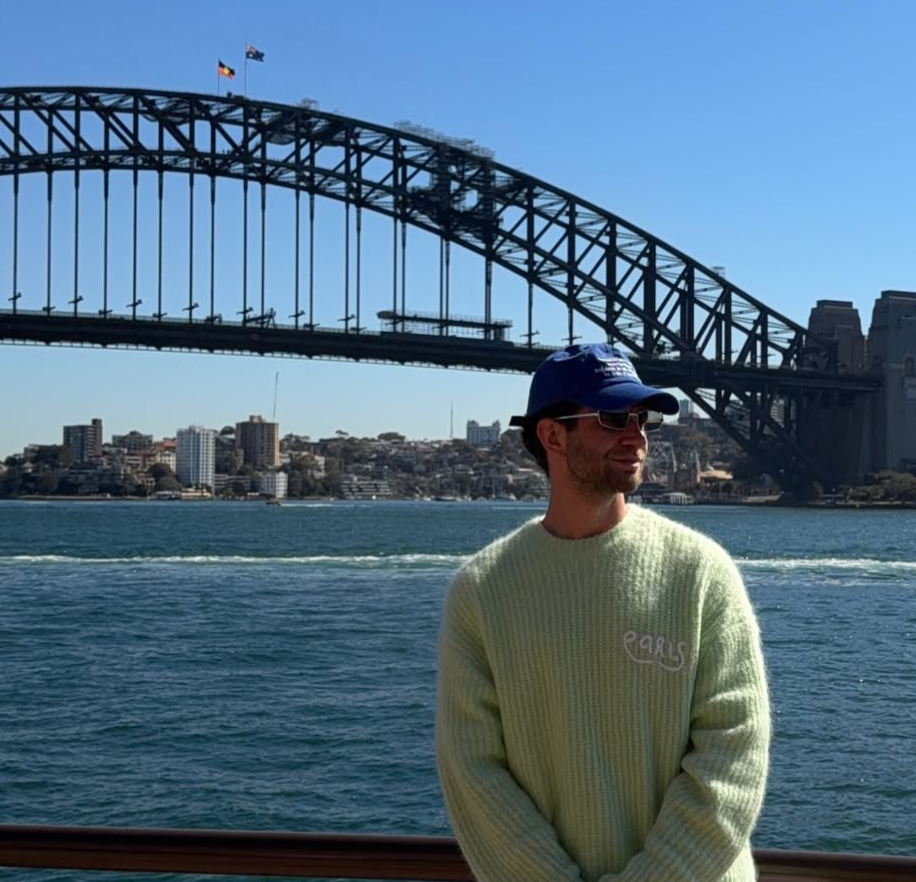
It’s Less About the Map
When people ask where I’m travelling next, they usually expect a practical answer.
A country. A region. A list.
But the decision rarely starts with geography.
It starts with state.
How do I feel right now?
What am I carrying?
Do I need expansion or grounding?
Energy or quiet?
The place comes after the feeling.
Mountains When I Need Perspective
If I’ve been deep in work, in conversation, in constant stimulation, mountains call.
There’s something about elevation that shifts scale. The horizon widens. The air thins. The pace slows without being forced.
Mountains demand patience. Climbs cannot be rushed. Descents require attention. The body has to work in a steady, deliberate way.
In that environment, problems recalibrate.
What felt urgent becomes manageable. What felt large becomes part of a much bigger landscape.
I choose mountains when I need space around my thoughts.
The Ocean When I Need Rhythm
The ocean offers something different.
It doesn’t expand perspective in the same way mountains do. It regulates through rhythm.
Waves are predictable but never identical. The sound is constant but not intrusive. The horizon is open.
There’s a softness to coastal environments that encourages exhale.
When I’ve been holding tension, when the nervous system feels slightly braced, the ocean helps.
You can walk without urgency. Sit without distraction. Breathe without effort.
It’s not dramatic.
It’s steady.
Cities When I Need Energy
There are times when stillness isn’t the answer.
When I feel flat or uninspired, cities can reignite something.
Movement. Architecture. Cafés filled with quiet conversation. Streets that hum without overwhelming.
Cities offer stimulation, but the right kind.
Not chaos. Not overload.
Just enough friction to sharpen attention.
I don’t choose cities for rest. I choose them for engagement.
For walking unfamiliar streets. For absorbing new textures. For feeling slightly anonymous in a larger current.
Wilderness When I Need to Reset
Wilderness strips things back.
No background noise. No artificial light. No urgency built into the environment.
Time stretches differently there.
In wilderness, you become aware of your own rhythm. The speed of your breathing. The weight of your footsteps. The simplicity of eating, moving and resting.
It’s grounding in a way that doesn’t require effort.
When everything has felt layered and complex, wilderness feels like a reset.
Stillness vs Stimulation
The choice is rarely about what looks impressive.
It’s about balance.
If I’ve been overstimulated, I lean toward stillness. If I’ve been too insular, I lean toward stimulation.
Travel, for me, isn’t escape.
It’s recalibration.
Each environment offers a different signal to the nervous system. Light, sound, space, movement. All of it shapes how you feel before you consciously interpret it.
Listening Before Booking
Before I book anything, I try to listen.
Not to trends. Not to social feeds. Not to what seems exciting on paper.
I listen to how my body feels.
Tight or open.
Restless or heavy.
Curious or depleted.
Then I choose the environment that complements, rather than amplifies, that state.
The Place as Teacher
Mountains teach patience.
Oceans teach rhythm.
Cities teach awareness.
Wilderness teaches simplicity.
Each place holds a different lesson.
The goal isn’t to collect locations.
It’s to move in a way that feels aligned.
Where Next
So when I choose where to go next, I’m not asking what’s popular.
I’m asking what I need.
Perspective or rhythm.
Engagement or quiet.
Stimulation or stillness.
The map follows the answer.
Take a breath,
— Rory
