
The Two Breaths: The One You Train & The One That Saves You
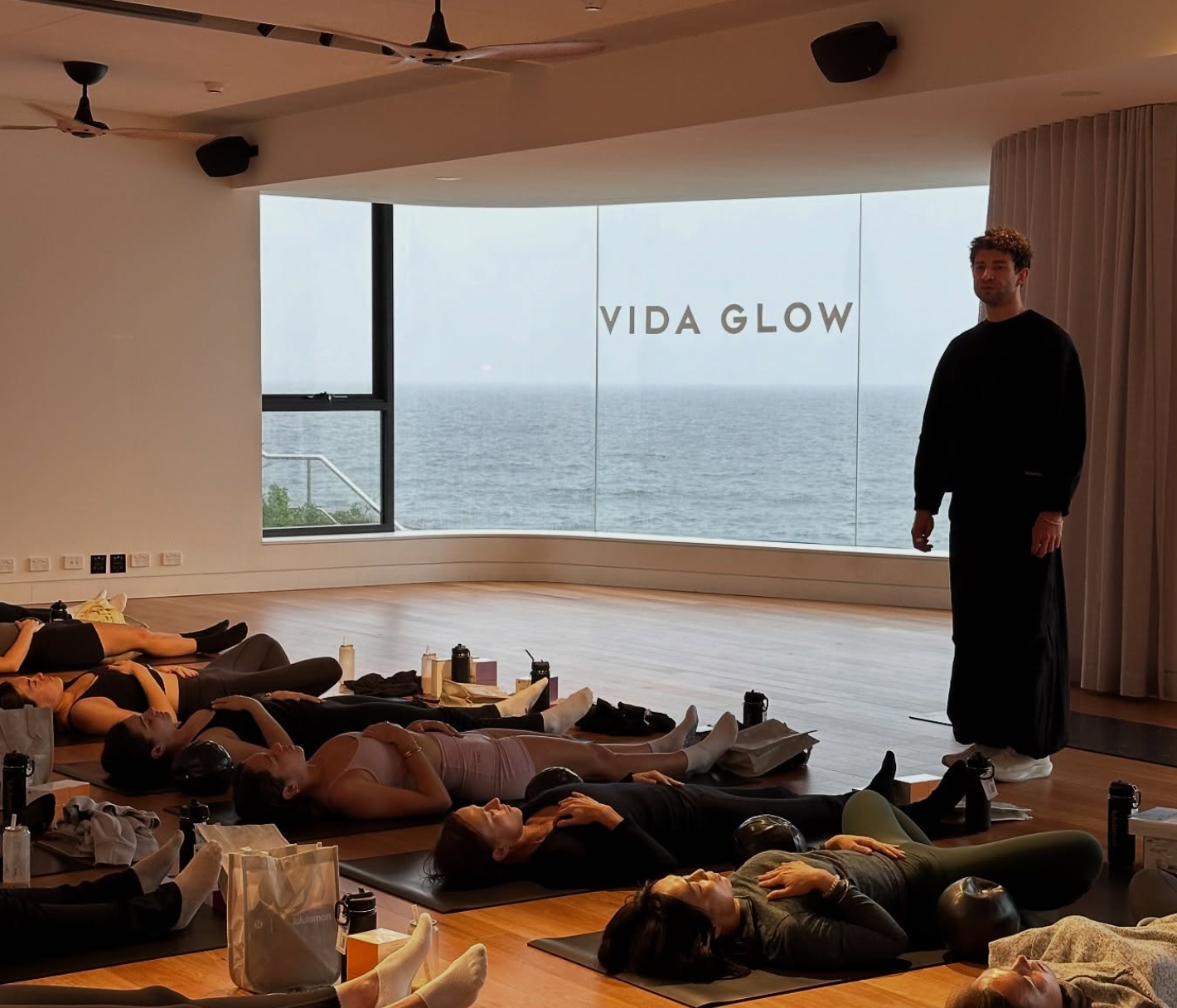
Breathwork is often talked about as a single thing — slow breathing, calming down, relaxing.
In reality, there are two very different ways we use our breath.
One is trained deliberately, over time.
The other shows up when you need it most.
Understanding the difference between these two breaths — proactive and reactive — changes how you approach stress, sleep, and performance.
Proactive vs Reactive Breath
Think of proactive breathwork as training.
It’s the breathing you practise when things are relatively calm:
dedicated sessions
pre-bed routines
controlled breathing during training
slow, intentional work to improve tolerance and control
This kind of breathwork builds capacity. It teaches your nervous system what safety feels like. It improves efficiency, awareness, and resilience.
Reactive breathwork, on the other hand, is what you rely on in the moment:
when stress spikes
when anxiety hits
when your mind won’t switch off
when your body feels wired or overwhelmed
This is the breath that saves you.
And here’s the important part: your reactive breath is shaped by your proactive training.
You don’t rise to the occasion — you fall back on what you’ve practised.
Functional Breathing Comes First
Before techniques, before patterns, before protocols — breathing needs to be functional.
Functional breathing is:
primarily nasal
quiet and controlled
rhythmical
appropriate to the task at hand
If your baseline breathing is fast, shallow, or chaotic, it becomes much harder to regulate yourself under pressure.
This is why breathwork isn’t about chasing calm. It’s about improving baseline function so your system can respond appropriately when things change.
Down-Regulating: Reducing Stress Without Forcing Calm
One of the biggest misunderstandings around breathwork is the idea that you should always be trying to relax.
When you’re highly stressed, telling yourself to calm down rarely works. Your nervous system isn’t responding to logic — it’s responding to signals.
Breathing patterns with longer, slower exhales help send a signal of safety. Over time, this can reduce unnecessary stress activation.
The goal isn’t to eliminate stress. It’s to recover from it more efficiently.
That’s the difference between coping and regulating.
Breath and Sleep: Preparing the Body to Switch Off
Sleep problems often aren’t sleep problems — they’re nervous system problems.
If your body is stuck in a state of alertness, no amount of willpower will make sleep come easily.
Proactive breathwork earlier in the day builds familiarity with slower states. Reactive breathwork at night helps guide the system out of alert mode.
Over time, this combination makes it easier for your body to recognise when it’s safe to rest.
Athletic Performance: More Than Just Oxygen
In training and sport, breathwork is often reduced to oxygen delivery.
But performance also depends on:
recovery between efforts
tolerance to discomfort
the ability to regulate arousal
efficient transitions between intensity and rest
Proactive breathwork improves control and capacity.
Reactive breathwork helps you recover faster between efforts and reset under pressure.
Athletes who understand both tend to perform more consistently — not because they’re calmer, but because they’re more regulated.
The Breath You Build Is the Breath You Have
The breath that shows up in hard moments is rarely a conscious choice.
It’s the result of repetition.
That’s why I see breathwork not as a ritual, but as a skill.
Train it when things are quiet.
Rely on it when they’re not.
That’s the difference between the breath you practise — and the breath that saves you.
If you’d like to explore this work further, I share longer guided sessions and practical tools through my newsletter, YouTube channel, and in-person sessions.
Take a breath,
— Rory
