
Why Calm Is a Skill (And Stress Is Not the Enemy)
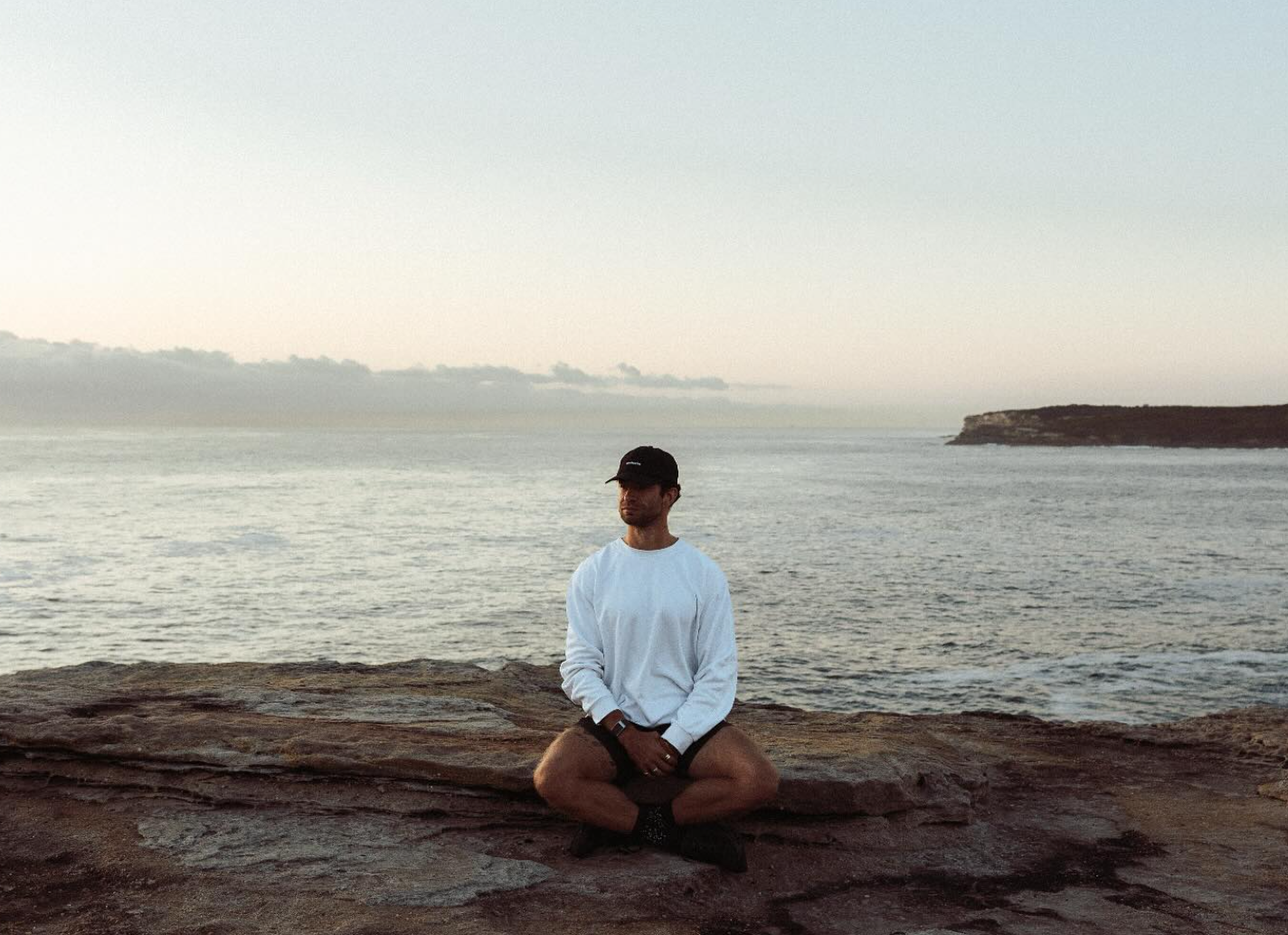
We’ve Misunderstood Calm
Most people think calm is a personality trait.
Some people are just naturally calm. Others are wired to be anxious, reactive, highly strung. We treat it like temperament, as if you’re either born with it or you’re not.
But calm isn’t a personality type.
It’s a trained state.
And more importantly, it’s not the absence of stress.
The idea that calm means no pressure, no activation, no intensity is part of the problem. Stress is not the enemy. Dysregulation is.
Once you understand that distinction, everything changes.
Stress Is Not a Flaw in the System
Stress is built into you for a reason.
It sharpens focus. Increases energy. Mobilises resources. Helps you act when something matters. Without it, there would be no performance, no growth, no urgency when urgency is required.
The nervous system is designed to move between states. Activation and recovery. Effort and rest. Challenge and safety.
The issue isn’t stress itself.
The issue is when we get stuck there.
Modern life keeps the stress response humming quietly in the background. Emails, deadlines, social comparison, financial pressure, constant stimulation. None of these are life-threatening, but the nervous system does not distinguish as cleanly as we think it does.
It responds to perceived threat, and perceived threat is often enough.
Down-Regulation Is a Skill
Calm, in physiological terms, is down-regulation. It’s the ability to shift out of heightened activation and return to baseline once the demand has passed.
That shift doesn’t always happen automatically.
For many people, the body stays braced long after the stressor is gone. Muscles remain tight. Breathing stays shallow. Thoughts keep racing. The system never fully resets.
Learning to down-regulate is like learning to strengthen a muscle. It takes repetition.
Slowing the breath deliberately.
Extending the exhale.
Reducing unnecessary tension.
Creating environments that signal safety.
Over time, the nervous system becomes more efficient at recognising when it is safe to soften.
That’s not passivity. It’s capacity.
Calm Is Not Suppression
There’s a difference between being calm and looking calm.
Suppression is tight. It requires effort. You hold things down and call it control. Internally, the system is still activated.
True calm feels different. The breath is steady. The jaw isn’t clenched. There is alertness without urgency.
You can feel pressure and still respond clearly.
That’s regulation.
When calm is a skill rather than an act, it becomes reliable. You don’t have to force it. You’ve trained it.
Nervous System Literacy Changes the Conversation
Most of us were never taught how our nervous system works.
We were taught to manage behaviour, not state. To push through. To calm down. To toughen up.
But you cannot think your way out of physiology.
When your system is activated, your body changes first. Breathing speeds up. Peripheral vision narrows. Heart rate rises. Muscles prepare for action.
If you understand that, you stop taking your reactions personally. You stop assuming something is wrong with you because you feel overwhelmed.
Instead, you get curious.
What state am I in?
Is this moment actually dangerous, or just uncomfortable?
Does my body need mobilisation, or does it need settling?
That awareness alone increases choice.
Stress With Recovery Builds Resilience
We often talk about resilience as toughness.
In reality, resilience is flexibility.
It’s the ability to move into activation when required and return to baseline afterwards. Athletes train this rhythm constantly. Effort followed by recovery. Intensity followed by reset.
If there is only effort, breakdown follows. If there is only rest, capacity never expands.
The same is true psychologically.
Stress followed by recovery builds resilience. Stress without recovery builds exhaustion.
Calm allows recovery to happen.
Training Calm in Small Ways
You don’t need a dramatic routine to train this.
It might be five minutes of intentional breathing in the morning. A deliberate pause between meetings. A walk without a phone. Extending your exhale when you feel your system spike.
These are small regulatory reps.
Over time, they compound.
And when something genuinely challenging arrives, you don’t rise magically to the occasion. You fall back on what you’ve practised.
The breath you’ve trained is the breath you have available.
Calm and Performance Are Not Opposites
There’s a misconception that calm reduces edge.
In reality, calm improves precision.
When your system is regulated, your thinking is clearer. Your reactions are less impulsive. Your energy is directed rather than scattered.
You can still feel intensity. You can still care deeply. You just aren’t overwhelmed by it.
Stress fuels performance. Calm stabilises it.
You need both.
A Different Relationship With Stress
Instead of trying to eliminate stress, the aim is to work with it.
Notice activation. Use it when it serves you. Recover when it doesn’t.
Calm is not about escaping intensity. It’s about building the skill to move between states without getting stuck.
When you understand your nervous system, stress stops being something to fear. It becomes information.
And calm becomes something you practise, not something you hope for.
Take a breath,
— Rory
