
Calm Is a Competitive Advantage (And Reactivity Is Expensive)
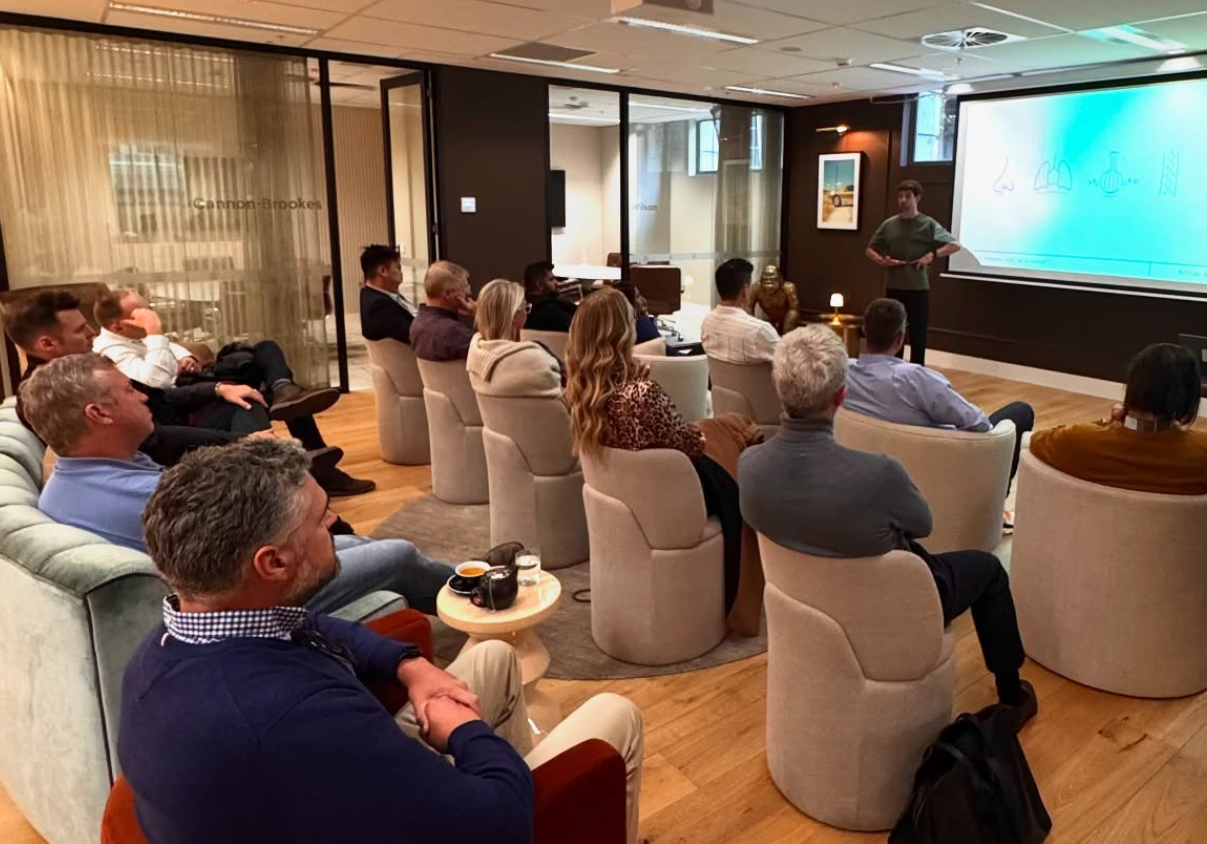
(Decision-making under pressure. How regulated leaders create better outcomes.)
Pressure Is Inevitable
In business, in sport, in leadership, pressure isn’t optional.
Deadlines tighten. Markets shift. People make mistakes. Unexpected variables appear.
The question isn’t whether you’ll face pressure.
It’s how you meet it.
Some people respond with urgency that turns into noise. Others slow slightly, breathe, and respond with clarity.
Over time, that difference compounds.
Calm isn’t passive.
It’s strategic.
Reactivity Feels Powerful, But It’s Costly
Reactivity can look decisive.
Quick responses. Sharp tone. Immediate direction. A sense of taking control.
But often, reactivity is simply an unregulated nervous system trying to resolve discomfort.
When the body perceives threat, even social or professional threat, it narrows attention. Breathing shortens. Heart rate increases. Language tightens.
Decisions made in that state are rarely optimal.
They may be fast. They are not always wise.
Reactivity is expensive because it burns trust, energy and long-term clarity.
Calm Expands Perspective
A regulated leader sees more.
When breathing is steady and the nervous system is not in fight-or-flight mode, cognitive bandwidth increases. You notice nuance. You consider second-order effects. You hear what isn’t being said.
Calm creates access to perspective.
Under pressure, most people contract.
The competitive advantage comes from expanding.
Not in volume. In awareness.
Decision-Making Under Load
In high-performance sport, the athlete who can regulate under fatigue performs better in the final stretch.
The same principle applies in leadership.
When stress builds, the body’s instinct is to rush toward resolution. Close the loop. Fix it quickly.
But some problems require space before action.
A calm leader can tolerate that space.
They can sit with ambiguity without immediately filling it with noise.
That patience often leads to better outcomes.
Tone Sets the Temperature
Leadership is contagious.
If the leader’s tone tightens, the room tightens. If their breathing is shallow and their language clipped, the team mirrors it unconsciously.
A regulated presence lowers the temperature.
It signals safety even in challenge.
That does not mean avoiding difficult conversations. It means having them without unnecessary escalation.
Calm does not dilute authority.
It strengthens it.
Calm Is Built, Not Assumed
Some people believe calm is a personality trait.
It’s not.
It’s a trained state.
Breath awareness. Sleep discipline. Physical training. Time away from constant stimulation. All of these influence baseline regulation.
A leader who neglects their own nervous system will eventually leak that instability into decisions.
You cannot lead from depletion without consequences.
Calm under pressure is often a reflection of preparation outside it.
The Cost of Urgency Culture
In some environments, urgency is celebrated.
Fast replies. Immediate pivots. Constant availability.
But sustained urgency keeps the nervous system elevated. Over time, that becomes the baseline.
From that baseline, everything feels critical. Everything feels like it must be handled now.
Clarity erodes.
Calm introduces discernment.
What truly needs immediate action?
What needs reflection?
What can wait?
That distinction protects resources.
Performance Without Panic
Calm does not mean slow.
It means deliberate.
In a crisis, a calm leader can still act quickly. The difference is that the action comes from assessment rather than impulse.
There is no wasted motion. No emotional spillover.
Just clear direction.
Over time, teams led by regulated individuals make fewer reactive errors. They communicate more effectively. They trust the process more deeply.
That is not soft leadership.
It is efficient leadership.
A Different Kind of Edge
Competitive advantage is often framed as aggression. Speed. Dominance.
But in complex environments, composure wins more often than intensity.
The leader who can remain steady when others escalate holds a subtle edge.
They conserve energy. They preserve relationships. They maintain clarity when it matters most.
Calm is not a luxury.
It’s leverage.
Regulation Before Reaction
The next time pressure rises, the first move does not need to be a decision.
It can be a breath.
Regulate first. Respond second.
Because reactivity is expensive.
And calm, practised consistently, becomes a quiet but undeniable advantage.
Take a breath,
— Rory
