
What I’m Listening to When I Want to Disappear for a While
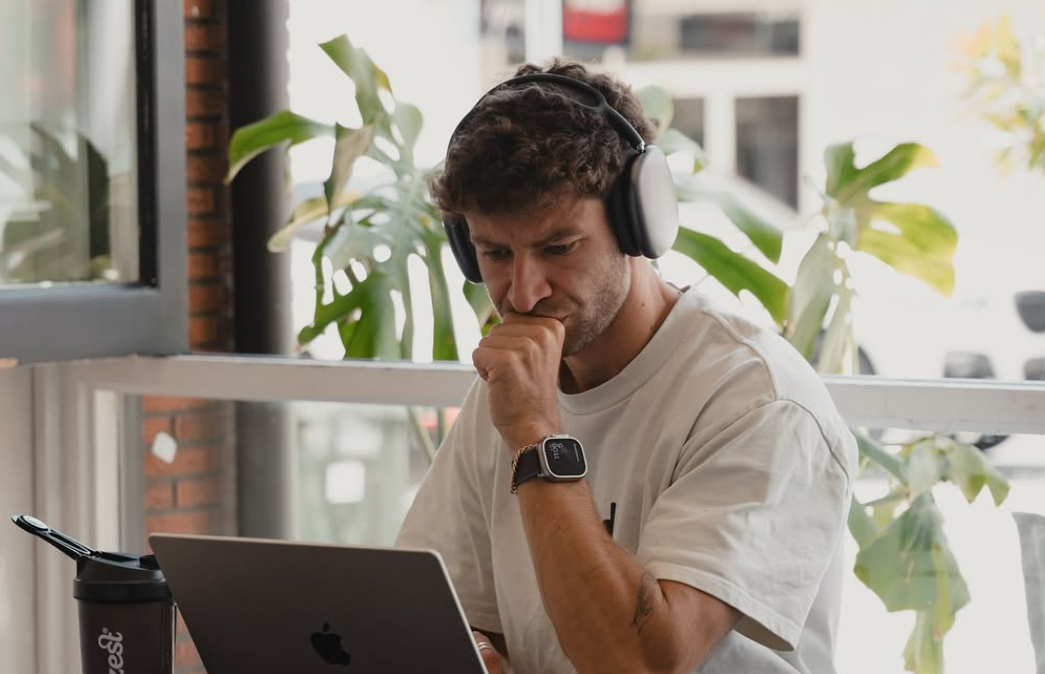
(Ambient, downtempo, emotional music. Mood, training, evenings, travel.)
Disappearing Isn’t Avoidance
When I say I want to disappear for a while, I don’t mean escape.
I mean soften the edges.
Lower the noise. Step slightly sideways from the constant input of the world and sit somewhere quieter.
Music helps me do that.
Not loud, high-energy playlists. Not anything designed to push adrenaline. The opposite.
Ambient. Downtempo. Textured. Emotional without being overwhelming.
The kind of music that doesn’t demand attention but gently reshapes it.
The Sound of Space
Artists like Jon Hopkins or Hammock have a way of creating space in sound.
There’s movement, but it’s not rushed. There’s emotion, but it’s not dramatic. Layers build slowly. Notes stretch. Silence is allowed to exist between moments.
When I’m listening to that kind of music, my breathing changes almost automatically.
It slows. It deepens. My shoulders drop without me consciously telling them to.
It becomes less about the track and more about the atmosphere it creates.
Training in a Different Gear
Most people associate training with intensity.
Fast beats. Heavy drops. Music that matches effort.
There’s a place for that.
But when I’m on a long, steady run, especially on trails, I often lean toward ambient or minimal electronic. Something steady and spacious.
It keeps me present without pulling me into urgency.
The rhythm becomes background rather than instruction. My cadence finds its own pace. The run feels less like performance and more like exploration.
There’s something about moving through nature with sound that mirrors the terrain. It turns the session into something almost cinematic, but internally quiet.
Evenings That Need Soft Edges
Evenings are different.
After a day of stimulation, conversation and decision-making, I’m less interested in energy and more interested in release.
Downtempo music helps the nervous system shift gears.
Low, textured sound fills the room without dominating it. It gives the body permission to slow. The transition from output to recovery feels smoother.
It’s not about switching off completely.
It’s about guiding the system toward stillness.
Airports, Windows and Movement
Travel has its own rhythm.
Airports, train stations, unfamiliar streets. There’s movement everywhere, but often no grounding.
In those moments, the right music becomes an anchor.
Ambient tracks in headphones while looking out a plane window. Slow builds while walking through a city at dusk. Music that makes the unfamiliar feel steady rather than overwhelming.
It turns transit into something reflective instead of rushed.
You’re still moving. But internally, you’ve stepped back.
Emotional Without Being Overwhelming
There’s something powerful about music that carries emotion without lyrics telling you what to feel.
Instrumental, layered tracks allow interpretation.
You project onto them rather than absorbing a fixed narrative.
That space mirrors what I value in training and breathwork.
Presence without pressure. Feeling without drama.
It becomes a way of processing quietly rather than reacting loudly.
Why It Matters
We underestimate how much environment shapes state.
Sound is environment.
The right music can move you toward activation or toward recovery. It can sharpen focus or soften it.
When I want to disappear for a while, I’m not trying to detach from life.
I’m trying to regulate.
To give my nervous system a texture that feels expansive rather than compressed.
A Private World
There’s something grounding about having a soundtrack that’s just for you.
Not curated for social media. Not shared for validation. Just something that fits your internal rhythm.
It might be ambient electronic. It might be instrumental post-rock. It might be long, evolving tracks that don’t rush to resolve.
The point isn’t genre.
It’s space.
When the world feels loud, I don’t always need silence.
Sometimes I need sound that feels like silence.
Take a breath,
— Rory
